
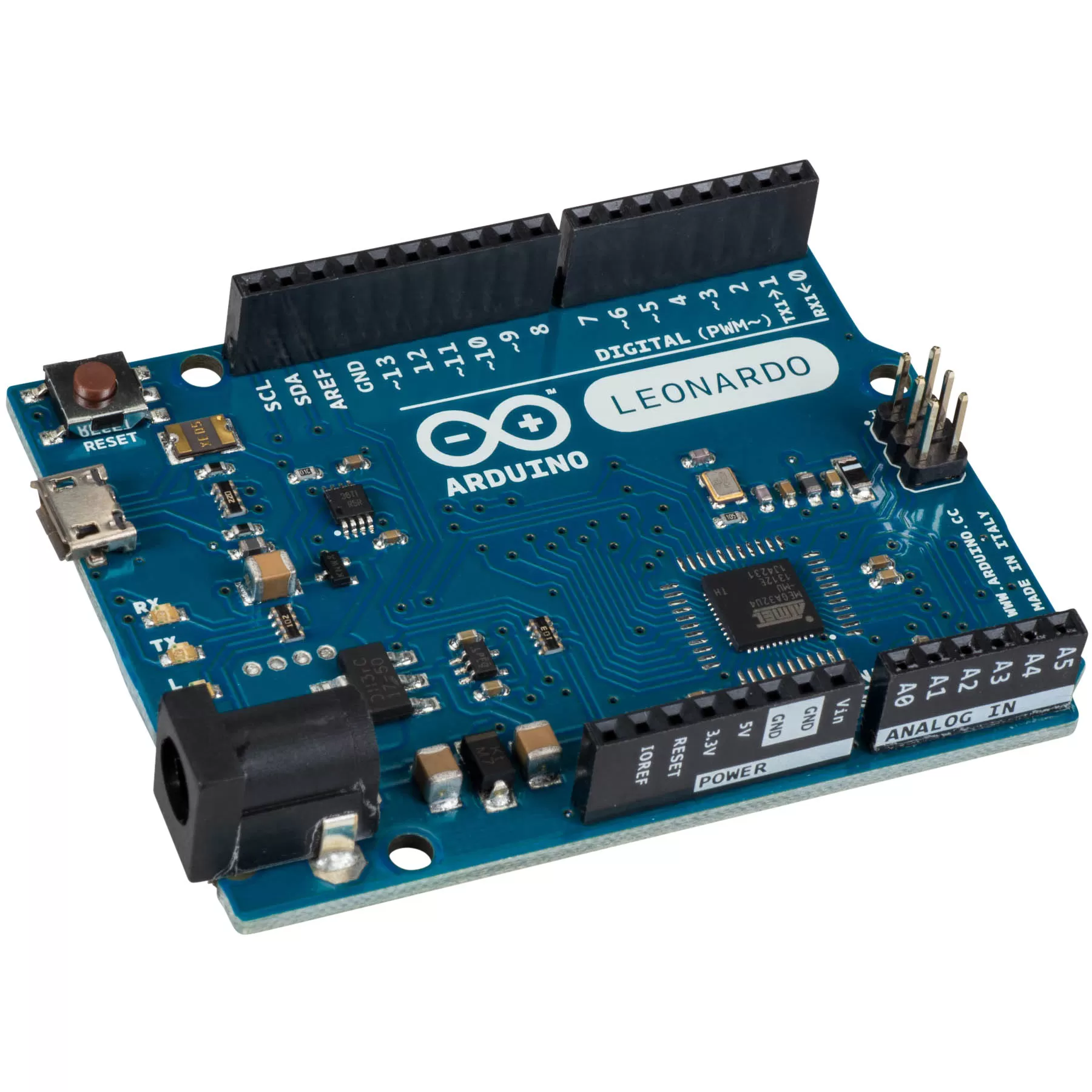
Description
The Arduino Leonardo uses the ATmega32u4 microcontroller, which integrates USB communication directly on the chip. This allows the board to emulate a keyboard, mouse, or game controller in addition to standard microcontroller functions. With 20 digital I/O pins, 7 PWM outputs, and 12 analog inputs, it is well-suited for DIY electronics, IoT devices, robotics, interactive installations, and human-computer interface projects. It is fully compatible with the Arduino IDE and supports a wide range of shields and sensors.
Key Features
-
ATmega32u4 microcontroller with built-in USB
-
20 digital I/O pins (7 PWM outputs)
-
12 analog input pins
-
USB communication: emulates keyboard, mouse, or HID devices
-
Onboard micro-USB for programming and power
-
Operating voltage: 5V
-
Compatible with Arduino IDE
Variants
-
Standard Arduino Leonardo
-
Arduino Leonardo with headers pre-soldered
Specifications
| Feature | Details |
|---|---|
| Microcontroller | ATmega32u4 |
| Operating Voltage | 5V |
| Input Voltage (recommended) | 7–12V |
| Digital I/O Pins | 20 (7 PWM outputs) |
| Analog Input Pins | 12 |
| Flash Memory | 32 KB (4 KB used by bootloader) |
| SRAM | 2.5 KB |
| EEPROM | 1 KB |
| Clock Speed | 16 MHz |
| Dimensions | 68.6 × 53.4 × 15 mm |
Applications
-
DIY electronics and interactive projects
-
Emulating USB devices like keyboard and mouse
-
Robotics and automation systems
-
IoT devices and embedded systems
-
Sensor interfacing and data acquisition
Compatible Boards / Circuits
-
Arduino shields compatible with Leonardo
-
Works with Arduino IDE and USB libraries
-
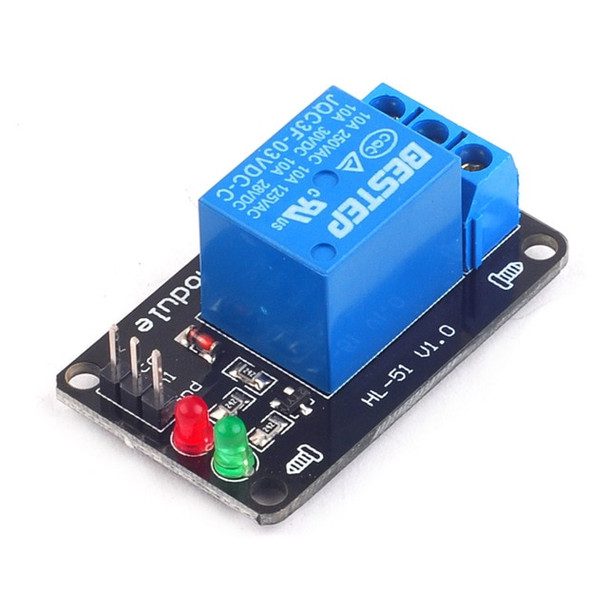
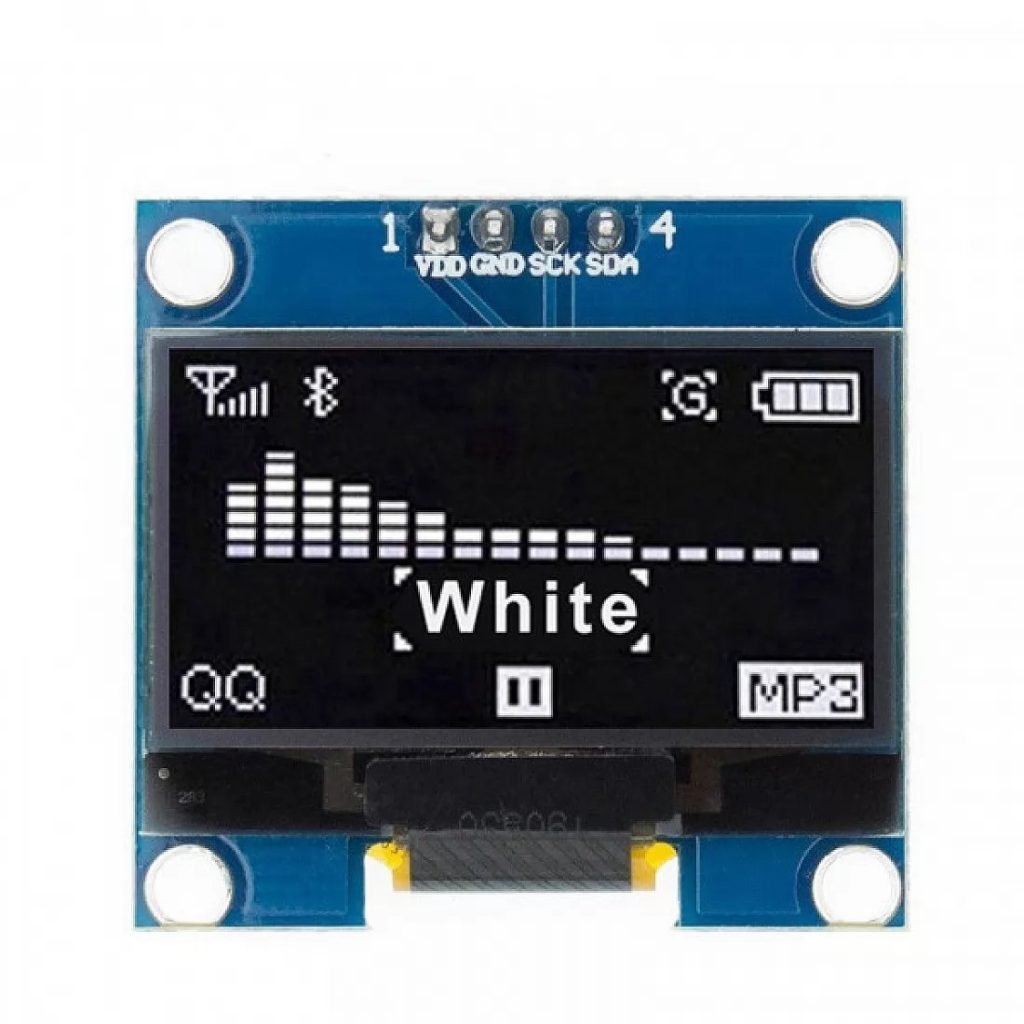
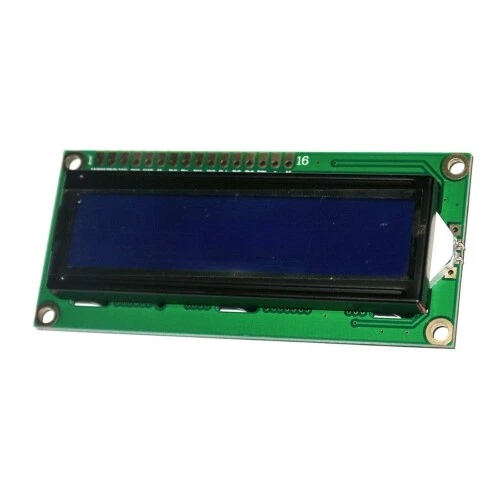
Can interface with sensors, modules, and displays
Reviews
There are no reviews yet.